
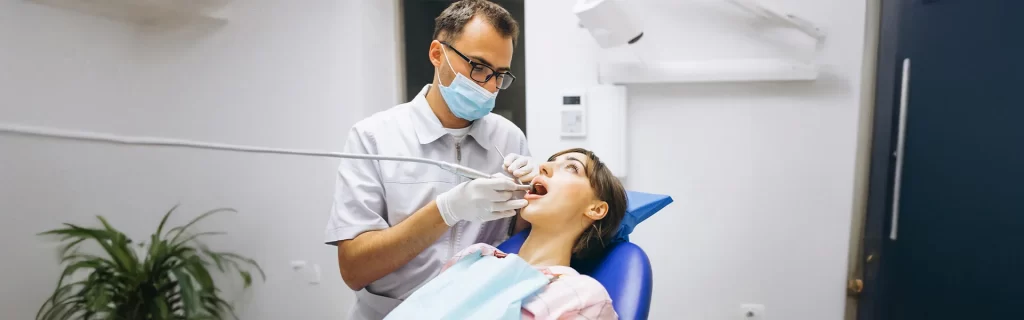
How to Recognize Fractured Tooth Root Symptoms Early
A tooth may seem fine on the surface, yet deep below, silent damage can begin to form. Subtle pain or swelling might signal more than minor irritation; it could point to early fractured tooth root symptoms. Recognizing these hidden signs early helps protect your natural tooth and prevents future complications that often appear without warning.
What Happens When a Tooth Root Fractures
A tooth’s root anchors it firmly to your jawbone. When that root cracks, it weakens the tooth’s foundation. Fractures often begin after a sharp blow, like an injury during sports or biting down on something hard. Sometimes, it’s the result of years of pressure from grinding or clenching.
Dental procedures, large fillings, or repeated restorations can also leave a tooth more vulnerable. Even a tiny crack can open a path for bacteria to reach the root, causing infection and swelling. Over time, that infection can damage the surrounding bone and gums.
A root fracture doesn’t always appear instantly. It may progress slowly, deep below the surface, while the outer part of the tooth remains intact. Because of this, many people don’t realize there’s a problem until discomfort or swelling sets in.
Common Signs and Fractured Tooth Root Symptoms to Watch For
Spotting the signs early makes a big difference. While every case is unique, certain symptoms appear often when a root fracture develops:
- Pain during biting or chewing: Pressure on a fractured root can trigger sharp pain that fades once you stop biting down.
- Localized swelling or tenderness: The gum around one tooth may appear puffier or feel sore when touched.
- Sensitivity to temperature: Cold or hot drinks might trigger discomfort in one specific area.
- Changes in taste or odor: If infection begins, you may notice a strange taste or mild bad breath that doesn’t go away.
- Gum bumps or drainage: Small pimple-like spots near the tooth root can appear as the infection tries to drain.
These signs often come and go, tricking patients into thinking the issue has resolved itself. In truth, the fracture may be spreading. If you notice any of these warning signs, it’s time to schedule an appointment with a trusted dentist in Dallas. A thorough exam and dental imaging are the only reliable ways to confirm what’s happening beneath the gum line.
Why Fractured Tooth Root Symptoms Can Be Hard to Detect
Tooth root fractures can remain hidden for weeks or even months. Since they develop below the surface, visual inspection alone won’t reveal the damage. Even standard X-rays may not catch the problem right away, depending on the angle or depth of the break.
The symptoms also mimic other dental conditions. Gum irritation, a loose filling, or sinus pressure can feel similar. Some patients experience only mild tenderness or slight discomfort when biting, not enough to raise alarm.
That’s why professional evaluation is so important. Dentists often rely on 3D imaging or cone-beam scans to spot fine cracks that standard tools can miss. These scans show the full structure of the tooth and bone, helping pinpoint fractures before infection spreads.
Because detection can be tricky, regular checkups matter even if you feel fine. Early care often means the difference between saving or losing a tooth.
When to Seek Treatment for Fractured Tooth Root Symptoms
If you suspect a root fracture, don’t wait for severe pain. The earlier your dentist examines the tooth, the more options you have for treatment.
Minor cracks may be treated with a crown or root canal to seal the area and prevent bacteria from spreading. These methods help stabilize the tooth and maintain natural function.
However, deep fractures that reach the base of the root can’t always be repaired. In those cases, dental extractions in Dallas may be necessary to prevent infection and protect neighboring teeth. Once the area heals, replacement options such as implants or bridges restore both appearance and bite strength.
Ignoring symptoms carries risks. Infection from a fractured root can travel through the bone, affecting surrounding teeth and even facial tissue. Pain may worsen suddenly, making treatment more complicated. If you ever feel pressure, swelling, or sensitivity that doesn’t fade, don’t postpone care.
Prevention and Early Care Tips
While not all fractures can be prevented, several steps can lower your risk:
- Use a mouthguard whenever you play contact sports or take part in activities that could cause a hit to the face.
- Do not bite down on hard items such as ice, pen caps, or unpopped popcorn kernels.
- Treat grinding or clenching with a nightguard if your dentist recommends it.
- Stay current with dental exams to catch small issues before they worsen.
- Address large fillings or old restorations early, as these often weaken tooth structure over time.
Even with good habits, accidents happen. What matters most is prompt attention when something feels off.
How a Dentist Diagnoses a Fractured Root
Diagnosis often begins with a detailed visual exam and X-rays. If those don’t reveal enough, your dentist may perform percussion tests (gently tapping each tooth) to locate pain. In some cases, 3D imaging provides a clearer view.
Thermal tests using warm or cold stimuli can help check nerve response. If infection is present, your dentist may also measure gum pocket depth or check for pus formation. Each step helps confirm the cause of discomfort and rule out other issues.
Once diagnosed, treatment focuses on stopping infection, relieving pain, and restoring structure. Every case is unique, and your dentist will explain which solution best fits your condition.
Final Thoughts
Protecting your smile starts with awareness. Fractured roots may remain unnoticed until pain or infection develops, but recognizing changes early can stop that progression. Trust your care to Artico Dental Kids + Dallas, where skilled professionals use advanced tools to diagnose and treat even the most hidden problems. Schedule your visit today for lasting dental comfort and peace of mind.

